N2O cream chargers are a standard tool in modern restaurants, cafés, and dessert businesses across Europe. They help kitchens prepare whipped cream, foams, mousses, and infused drinks quickly and consistently.
But even though the tool is simple, many kitchens make mistakes that lead to poor results, waste, or equipment issues.
Here are the 10 most common mistakes restaurants make with N2O chargers — and how to avoid them.
1. Using Low-Quality or Non-Food-Grade N2O
Not all chargers offer the same purity. Cheap options often contain impurities that affect:
-
Taste
-
Texture
-
Pressure consistency
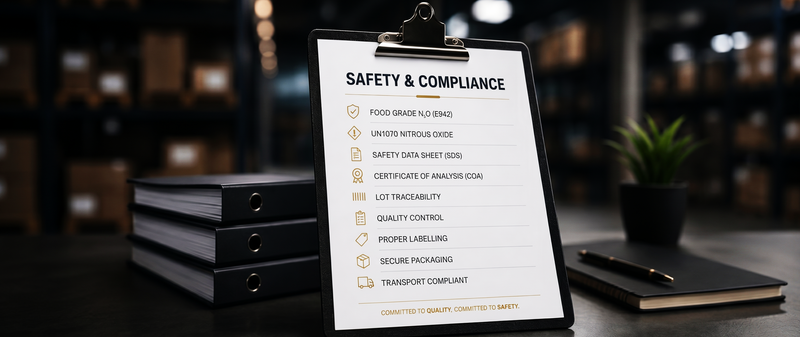
Professional kitchens must use 99.9% food-grade N2O to ensure clean flavor and safe results.
2. Overfilling the Cream Dispenser
A common error is filling the dispenser too much.
When there is not enough space inside, the gas cannot expand properly, leading to:
-
Poor foam
-
Unstable texture
-
Excess waste
The dispenser should be filled only up to the recommended line.
3. Shaking the Dispenser Incorrectly
Most restaurants either shake:
-
Too hard
-
Too little
-
Or not at all
Shaking properly ensures the N2O mixes evenly with the cream.
A few firm shakes are enough — not aggressive shaking.
4. Using the Wrong Fat Content
Cream with too little fat does not whip well, even with N2O.
Restaurants often choose low-fat cream to cut costs, but this leads to:
-
Weak foam
-
Watery texture
-
Short shelf life
For stable whipped cream, use 30–35% fat content.
5. Storing Chargers in Hot or Humid Conditions
Heat affects the pressure inside N2O chargers.
Storing them near ovens, dishwashers, or hot storage reduces performance.
Chargers should be kept in a cool, dry area away from direct heat.
6. Using Expired or Damaged Chargers
Some kitchens hold old stock for too long.
Over time, cylinders may:
-
Corrode
-
Lose pressure
-
Develop valve issues
Using fresh, certified chargers ensures safe and consistent results.
7. Not Cleaning the Dispenser Properly
Even if the gas is perfect, dirty dispensers can ruin the final product.
Common issues include:
-
Blocked nozzles
-
Bacterial build-up
-
Bad odors
-
Dispenser malfunction
Kitchens should clean the dispenser thoroughly after each shift.
8. Releasing Gas Without Cream Inside
Some staff test the charger by releasing gas without cream in the dispenser.
This wastes N2O and can damage seals inside the device.
Chargers should only be used on a full dispenser.
9. Using Cheap or Unverified Brands
Some brands look similar but fail to meet European food-safety standards.
Risks include:
-
Leaking valves
-
Inconsistent pressure
-
Lower gas purity
-
Safety concerns for staff
Reliable brands follow EU standards, traceability, and quality testing.
10. Not Training Staff Properly
The biggest mistake is assuming N2O chargers are “too simple to require training.”
Poor training can lead to:
-
Wasted product
-
Equipment damage
-
Inconsistent desserts
-
Customer complaints
Every new staff member should learn:
-
How to fill
-
How to shake
-
How to store
-
How to clean
-
How to check for faults
Proper training improves consistency and reduces waste.
Final Thoughts
N2O cream chargers are essential tools in today’s hospitality industry. They help restaurants save time, improve presentation, and deliver consistent results.
But like any tool, they work best when used correctly.
Avoiding these mistakes ensures:
-
Better texture
-
Higher yield
-
Stronger product reliability
-
Less waste
-
Faster service
For restaurants aiming to improve their dessert and beverage output, choosing a safe, certified, EU-standard N2O supplier is a key part of long-term success.